
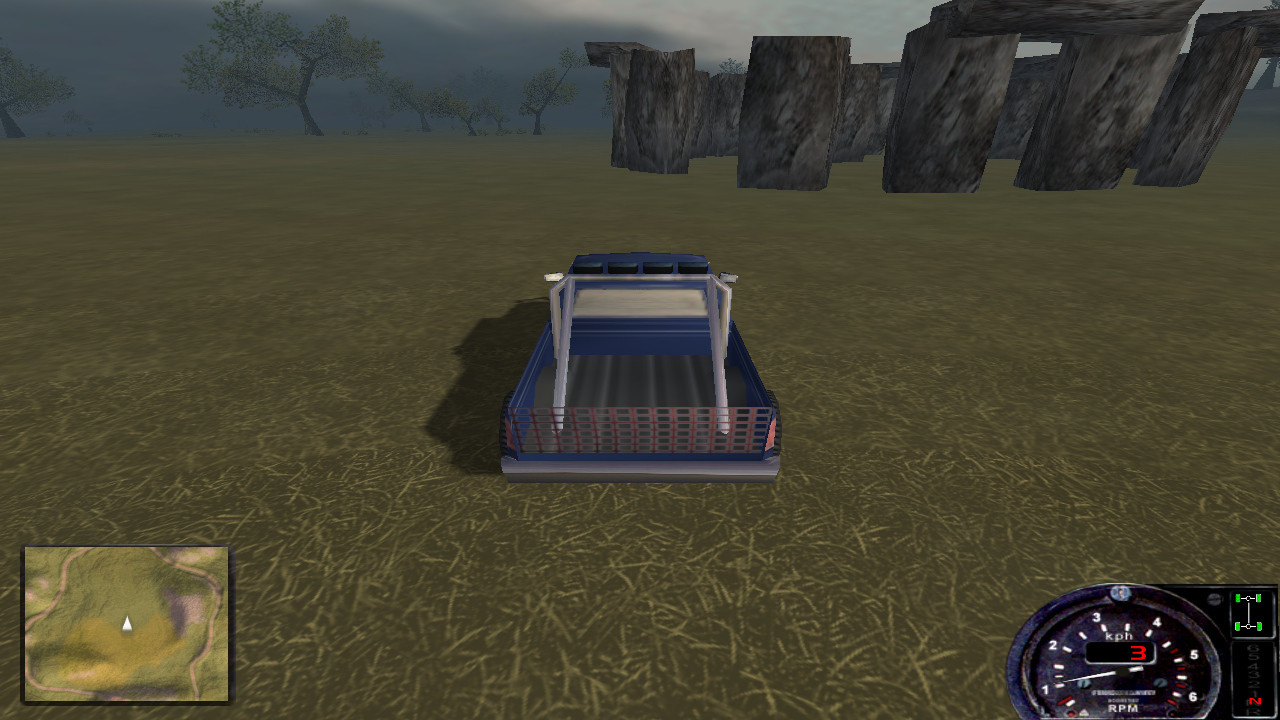
The Nostalgia Factor
Nostalgia has been recognized as a powerful psychological phenomenon, often invoking feelings of longing for a perceived simpler time. This emotional cue is particularly prevalent in the context of retro games, which hold significant sentimental value for many players. For individuals who grew up during the golden age of video gaming, classic titles evoke cherished memories of childhood experiences spent in front of a console. These reminiscences are enriched by the bonds formed with family and friends while engaging in cooperative gameplay or sharing strategies.
As retro games resurface in modern gaming culture, their appeal extends beyond those who originally played them. Younger generations are finding these timeless titles through various channels, such as YouTube gameplay videos, streaming services, or community events. This cross-generational interest fosters a unique connection, as modern players often learn about the favorite games of their parents or older siblings. Consequently, the exploration of retro games becomes a bridge linking various ages, stimulating curiosity and engagement with gaming history.
The allure of simplicity associated with classic titles continues to resonate amid today’s complex gaming landscape. Many contemporary games often prioritize realism and intricate narratives, pushing players to navigate multifaceted mechanics. In contrast, retro games provide straightforward objectives and engaging gameplay. This uncomplicated format can serve as a much-needed escape from the overwhelming nature of modern gaming, allowing players to immerse themselves in a familiar atmosphere. As a result, the nostalgia factor not only drives the resurgence of retro titles but also highlights the lasting influence these games have on both old and new generations of players.
Technological Advancements and Accessibility
The resurgence of classic video games can largely be attributed to significant advancements in technology that have enhanced accessibility for a broader audience. One of the primary drivers of this trend is the emergence of emulation software, which allows players to replicate older gaming consoles on modern devices. Such software can run vintage games in a digital environment, facilitating a seamless experience where users can enjoy titles that were once confined to outdated hardware. This has opened the floodgates for a new audience eager to explore the rich history of video gaming.
In addition to emulation, digital marketplaces have evolved considerably, providing an easy and convenient means for consumers to purchase and download retro games. Platforms such as Steam, GOG, and various console-specific stores now offer a plethora of classic titles, making them available at the click of a button. These digital storefronts not only cater to nostalgic gamers but also introduce these timeless classics to younger generations who might not have had the opportunity to experience them previously. The convenience of immediate access removes the barriers once posed by physical media, such as obsolete cartridges and disks.
Furthermore, the development of mini-consoles has contributed significantly to the retro gaming renaissance. These compact devices are pre-loaded with a selection of classic games and designed to connect to modern televisions, allowing for an authentic gaming experience without requiring extensive setup. Not only do mini-consoles offer nostalgia, but they also serve as a practical solution for preserving classic gaming titles that may otherwise be lost to time. As a result, these technological innovations play a crucial role in keeping classic games alive and relevant, thus fueling the ongoing trend of retro gaming. By bridging the gap between past and present, we are witnessing a revival that continues to capture the hearts of gamers old and new.
The Indie Game Movement and Inspiration from the Past
The resurgence of classic games has found a significant foothold in the modern indie game development scene, where many creators actively seek inspiration from the rich history of gaming. Indie developers often draw upon the gameplay mechanics that characterized retro titles, leading to the revival of two-dimensional platformers, pixelated graphics, and turn-based strategies that capture the simplicity and charm of earlier gaming experiences. This trend is not merely a nostalgic callback; it reflects a conscious choice to blend the best elements of retro gaming with contemporary innovations.
Pixel art, a hallmark of classic video games, continues to resonate with both developers and players. The strategic use of limited color palettes and blocky graphics allows indie creators to evoke a sense of nostalgia while retaining an appealing aesthetic that is engaging for new gamers. As a result, many indie titles, such as Celeste and Shovel Knight, exemplify how pixel art serves as a canvas for telling memorable stories and delivering enjoyable gameplay experiences. These games skillfully intertwine retro visuals with modern narratives, creating a distinctive space within the gaming landscape.
Moreover, the storytelling techniques employed in classic retro games are experiencing a renaissance among indie developers. Many contemporary titles embrace the minimalist storytelling seen in older games, opting for focused narratives that leave room for interpretation and personal connection. This approach allows players to immerse themselves in expansive worlds without overwhelming complexity. By merging the straightforward narratives of the past with innovative gameplay features, indie developers succeed in crafting experiences that appeal to a diverse audience, including both long-time gamers and newcomers alike. This fusion not only pays homage to the classics but also reflects the evolving nature of the gaming industry, ensuring that the essence of retro games continues to influence the future of gameplay.
Community and Retro Gaming Events
The burgeoning community surrounding retro gaming is a testament to the enduring appeal of classic video games. As enthusiasts embrace the nostalgia of the past, they utilize a variety of platforms to connect with like-minded individuals. Online forums, social media groups, and dedicated websites serve as vital hubs for discussions, trends, and news related to retro games. These platforms enable gamers to share experiences, strategies, and even modifications for their favorite classic titles, fostering a strong sense of belonging among participants.
In addition to the online interactions, there has been a notable rise in retro gaming events that further cultivate community engagement. Conventions such as the Classic Gaming Expo and Retrogaming Expo serve as major gatherings for fans to celebrate their shared interests. These events typically feature panel discussions, gaming tournaments, and opportunities to meet industry veterans, allowing attendees to immerse themselves in the rich history of gaming. Moreover, these conventions provide vendors with a platform to showcase their retro gaming merchandise, be it hardware, software, or collectibles, enhancing the overall experience.
Furthermore, local gaming meetups and arcade events are popping up around the globe. These meetups encourage gamers of all ages to come together in person, often resulting in tournaments that honor classic games like Pac-Man, Street Fighter, and Tetris. By creating friendly competition, these events strengthen community bonds and inspire newcomers to explore the wealth of retro gaming. Streaming platforms, such as Twitch, also play a significant role by allowing gamers to showcase their skills in classic titles while engaging wider audiences. As these gaming communities continue to thrive, they not only preserve the legacy of retro games but stimulate a resurgence of interest, solidifying their place in the modern gaming landscape.
No responses yet